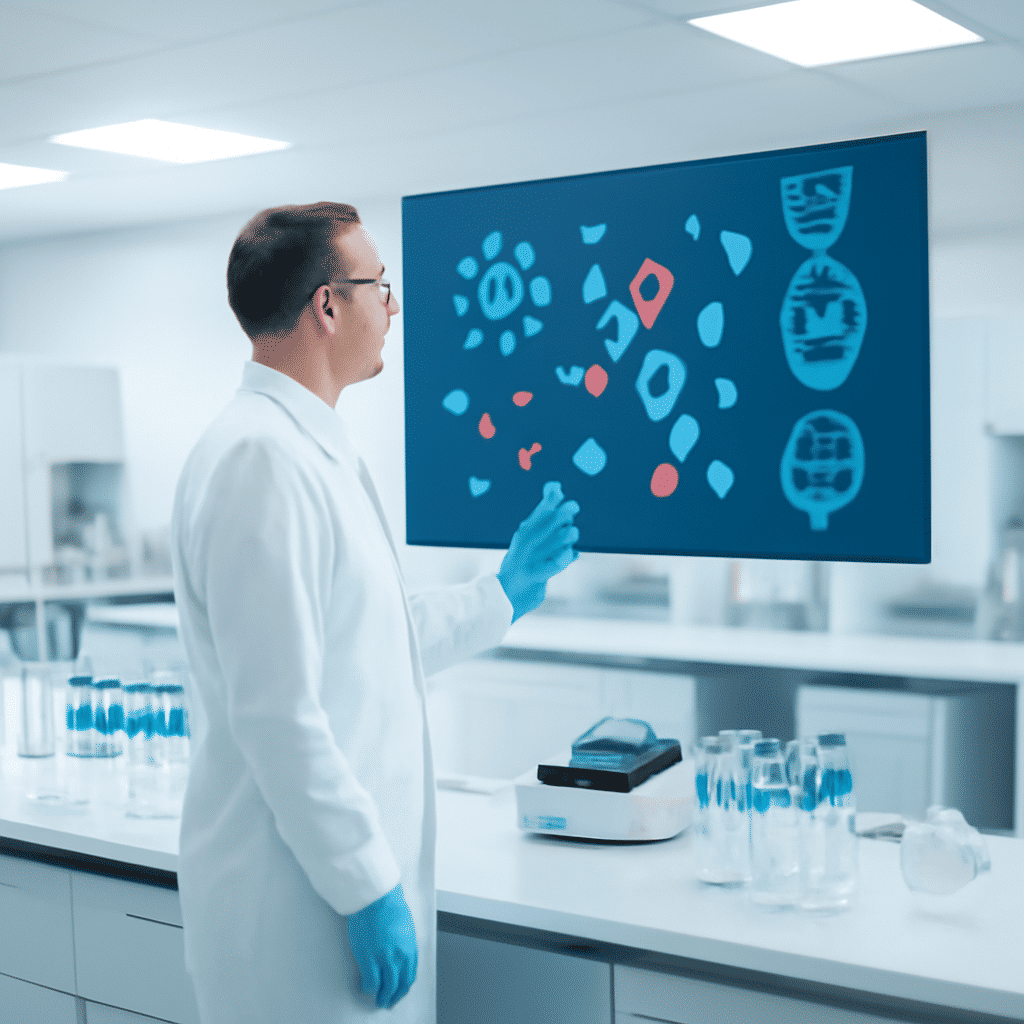
Molecular biology stands at the forefront of scientific innovation, constantly evolving and reshaping our understanding of life at the most fundamental level. As researchers globalize their efforts and techniques become more sophisticated, the field of molecular biology has propelled forward, generating groundbreaking insights into health and disease.
At the core of these advancements lies an array of cutting-edge techniques that have revolutionized the way scientists explore and manipulate biological systems. Genome editing, for instance, has undergone a transformative evolution with tools such as CRISPR-Cas9, enabling precise modifications at specific genomic loci. This technology not only allows for the correction of genetic defects but also facilitates the study of gene function by enabling targeted disruptions or enhancements in various model organisms. As therapeutic potentials are explored, genome editing emerges as a beacon of hope for genetic disorders that were previously deemed incurable.
Simultaneously, advances in high-throughput sequencing technologies have democratized access to comprehensive genomic data. Next-generation sequencing (NGS) platforms continue to improve in speed and cost-effectiveness, allowing researchers to sequence entire genomes and transcriptomes rapidly. This flood of data has been pivotal in deciphering the genetic basis of both common and rare diseases, thereby paving the way for precision medicine. The ability to tailor medical treatments based on an individual's genetic profile holds promise for increasing the efficacy of interventions and minimizing adverse effects.
Additionally, proteomics, the large-scale study of proteins, complements genomic studies by providing insights into the functional outcomes of genetic information. Mass spectrometry-based techniques have become indispensable for identifying and quantifying proteins, elucidating protein structures, and understanding protein interactions within cellular environments. This multidimensional approach to studying proteins is crucial for unraveling the complexities of cellular pathways and disease mechanisms, offering new avenues for therapeutic target discovery.
Furthermore, the convergence of bioinformatics and molecular biology has catalyzed developments in computational biology. Algorithms and software uniquely designed to handle vast biological datasets are crucial for transforming raw data into meaningful insights. Machine learning and artificial intelligence are also beginning to predict molecular interactions and model complex biological systems with high accuracy, thereby enhancing our ability to design drugs and predict their pharmacological profiles.
Synthetic biology represents another frontier in molecular biology, where biological systems are engineered to perform new functions. This interdisciplinary field merges biology with engineering, enabling the design of synthetic organisms and biological circuits with applications ranging from biofuel production to novel therapeutic solutions. The potential for creating customized organisms that can detect and treat diseases autonomously offers exciting new perspectives on how we approach complex health challenges.
These transformative techniques in molecular biology not only deepen our understanding of the intricacies of life but also provide crucial tools for addressing some of the most pressing health issues of our time. As we continue to unlock the secrets of the molecular machinery that drives living systems, the implications for human health and disease are profound. The continued synergy between technical innovation and biological discovery promises a future where molecular biology not only enhances our quality of life but also leads the charge in combating disease at its very root.