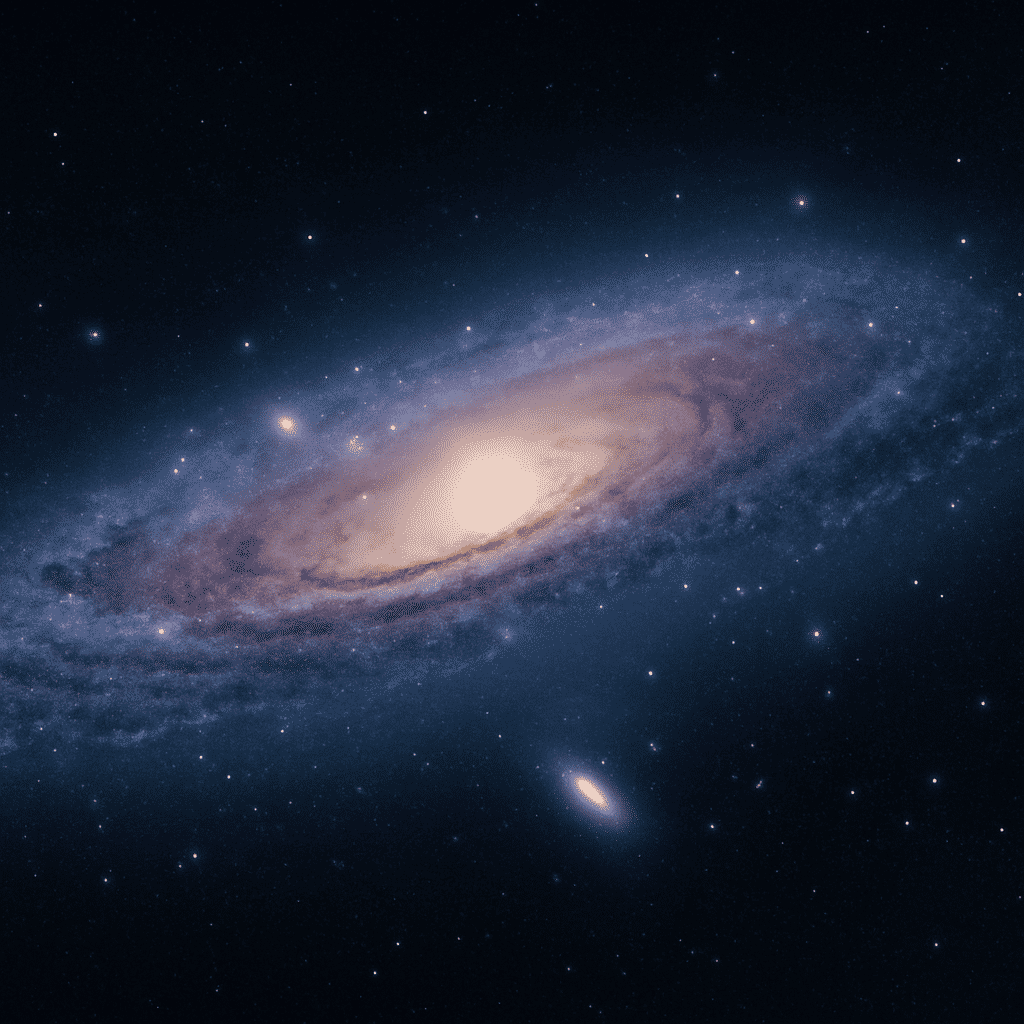
In the vast expanse of the universe, humanity's insatiable curiosity propels our quest to understand the cosmos. Recent advances in space exploration have led to groundbreaking discoveries, unveiling unprecedented galaxies that are reshaping our cosmic understanding. These endeavors are not only revealing the intricate tapestry of galactic formations but also challenging our perceptions about the universe’s origins and its ultimate destiny.
One of the most significant breakthroughs in recent years has been facilitated by the powerful instrumentation aboard the James Webb Space Telescope (JWST). Since its deployment, the JWST has peered deeper into the universe than any of its predecessors, capturing light from galaxies formed just a few hundred million years after the Big Bang. These early galaxies offer a glimpse into the conditions that prevailed shortly after the universe's inception, providing critical data on their structures, compositions, and ionization states. With each image, scientists are decoding the cosmic history recorded in the faint glow of these distant worlds, allowing for a nuanced understanding of our universe's formative years.
Another monumental stride in space exploration has been the utilization of gravitational lensing, a phenomenon predicted by Einstein's theory of general relativity. By studying the distortion of light from distant galaxies as it passes around massive objects like galaxy clusters, astronomers can uncover hidden galaxies that were previously beyond the reach of our most powerful telescopes. This technique has enabled the discovery of galaxies that exist in the furthest realms of the observable universe, offering a new dimension to our understanding of cosmic evolution.
The study of these newly discovered galaxies is also enriched by the deployment of artificial intelligence. Algorithms can now sift through the massive datasets generated by these telescopic observations, identifying patterns and anomalies that may hold the keys to understanding galaxy formation and evolution. These technologies allow scientists to efficiently map the structure of these galaxies, their star formation rates, and interactions, thus creating a comprehensive picture of these distant cosmic entities.
Furthermore, international collaborations have brought together a consortium of space agencies and research institutions, pooling resources and expertise to launch missions aimed at furthering our knowledge of the universe. The synergy of these collaborative efforts has not only amplified our capacity to discover new galaxies but also democratized space exploration, with countries across the globe contributing to the advancement of humanity's cosmic knowledge.
The discovery of new galaxies is more than a mere academic pursuit; it has profound implications for our understanding of fundamental physics, including the behavior of dark matter and dark energy—mysterious components that make up most of the universe's mass-energy content. By observing how these newly discovered galaxies interact with the dark universe, scientists hope to unlock answers to some of the most pressing questions in modern cosmology.
In essence, the unveiling of new galaxies through space exploration is a testimony to human ingenuity and our relentless pursuit of knowledge. As we continue to push the boundaries of what is possible, each new discovery not only expands our understanding of the universe but also deepens our sense of wonder about the celestial landscape that sprawls beyond our view. These scientific advancements are not just about understanding the cosmos; they are about understanding our place within it, connecting the story of our small world to the grand narrative of the universe.